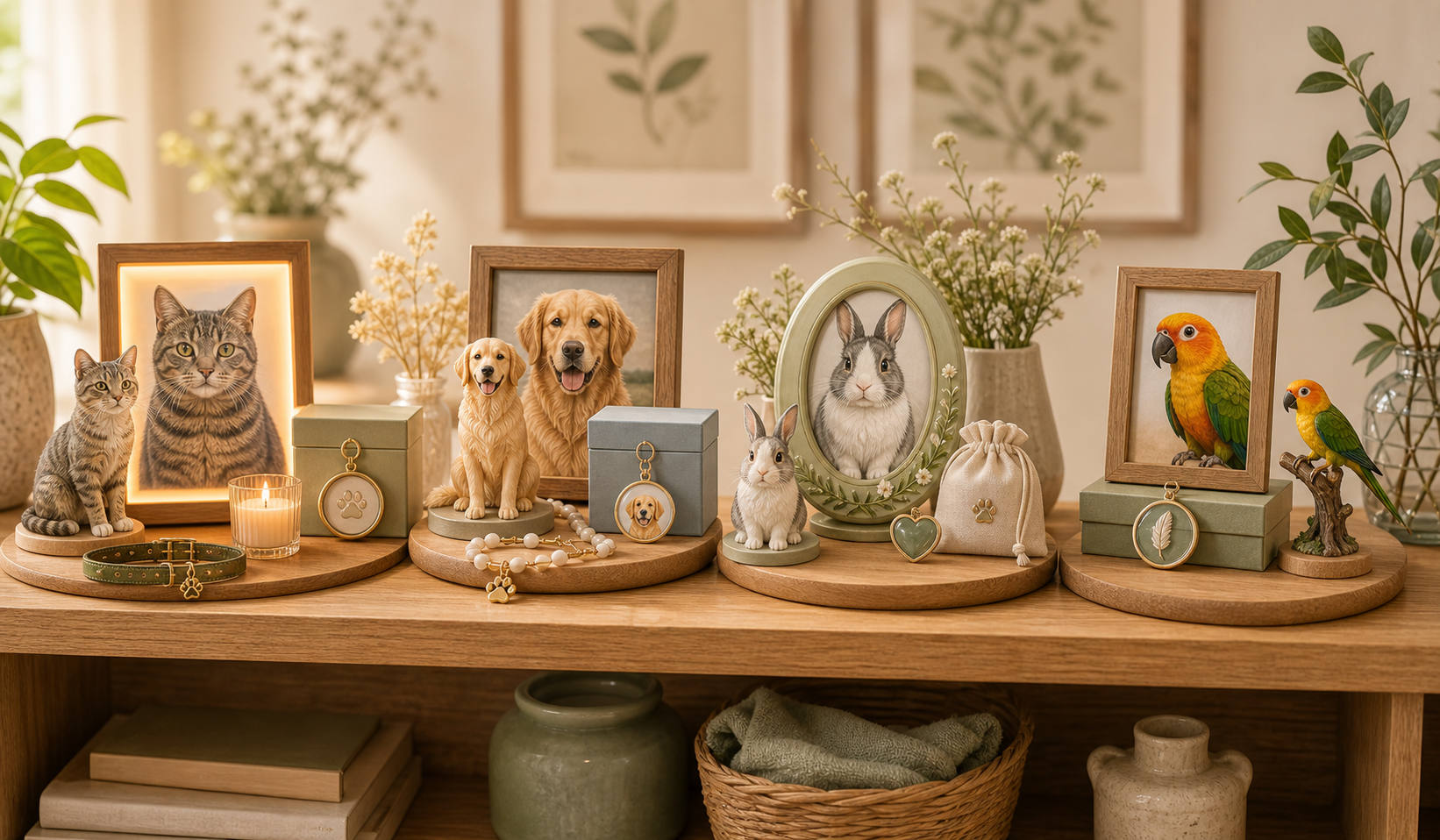
Quick answer: For many children, a pet's death is their first close experience with grief. Clear words, patient listening, and simple rituals can help them feel safe while they miss their friend.
Use clear and gentle words
Children need honesty more than perfect language. Say, "Bella died today. Her body stopped working, and she cannot come home." The words may feel hard, but clear language prevents confusion.
Avoid saying the pet went to sleep, went away, or got lost if that is not true. Children can become afraid of sleep, separation, or ordinary absence when adults use vague explanations.
Let their grief look different
A child may cry, ask many questions, seem distracted, play normally, then cry again later. This does not mean they did not love the pet. Children often move in and out of grief.
Answer repeated questions with patience. Repetition is one way children test whether the truth is stable and whether adults are safe to talk to.
Give them a role in remembering
A small role helps a child feel included. They might choose a photo, draw a picture, pick a flower, write a note, or place a toy in a pet keepsake box.
Keep the ritual simple and optional. If the child does not want to participate, let them watch or step away. Control matters when grief feels big.
Help with guilt and magical thinking
Children may think something they did caused the death: forgetting a walk, feeling annoyed, or saying they wished the pet would stop barking. Tell them clearly that thoughts and normal mistakes do not make a pet die.
If there was an accident or illness, explain only what fits their age. The goal is truthful reassurance, not overwhelming detail.
School and daily routines
Let teachers or caregivers know what happened if the child may be emotional. A short note is enough. Children may need patience with focus, sleep, appetite, or sudden tears.
Keep routines steady where possible. Meals, bedtime, and school structure can help a child feel the world is still safe.
Make a memory they can revisit
A photo frame, drawing folder, memory box, or small shelf can give grief a place. Some children like saying goodnight to the photo. Others prefer to look only sometimes.
Do not force closure. A child's love for a pet can remain part of the family story. Remembering together teaches them that grief is not something they have to hide.